Go Vegan
A Floral Statement for the Plant-Based Soul
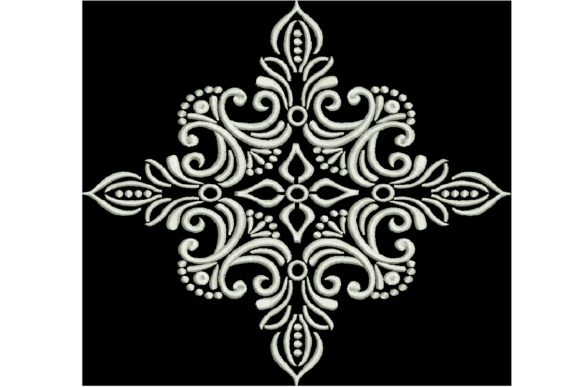
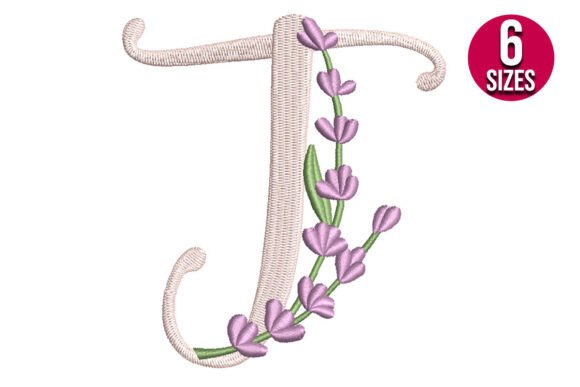
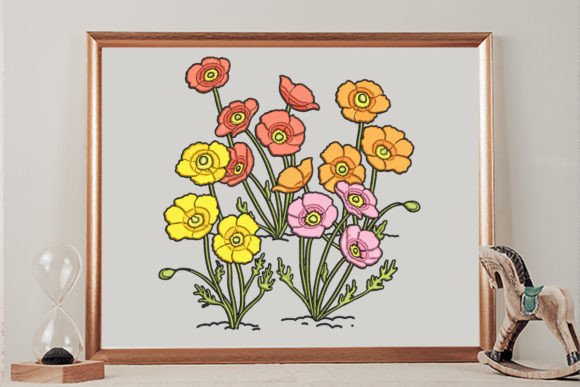
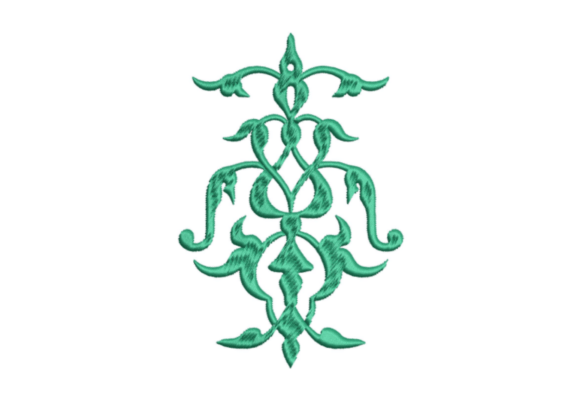
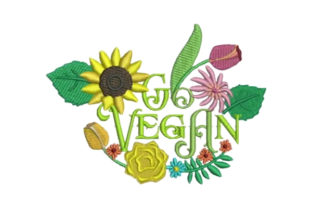
The first time I saw Go Vegan, I felt a quiet sense of optimism. It’s not just an embroidery design—it’s a visual invitation to embrace a lifestyle. The floral elements are soft, flowing, and intentionally spaced, creating a gentle yet impactful presence on fabric. The satin stitch work is smooth and consistent, which gives it a luxurious feel without being overwhelming. This design feels like a conversation between nature and human intention, and that balance is what makes it stand out in a crowded market.
Where Does Go Vegan Belong?
Go Vegan is versatile enough to fit into a range of projects, but it shines best when used with purpose. For instance, if I were designing a custom tote bag for a local boutique focused on eco-friendly living, Go Vegan would be a perfect match. The floral motif adds a touch of elegance while reinforcing the brand’s commitment to sustainability. Similarly, it could work well on a baby onesie or a holiday gift, where its subtle beauty can be appreciated without overshadowing the product’s function.
When considering real-life use cases, Go Vegan is ideal for custom apparel, sweatshirt embroidery, and personalized gifts. Its floral theme pairs well with both neutral and earthy tones, making it adaptable to various color schemes. A handmade product featuring Go Vegan could easily become a signature item in a small shop or Etsy listing, especially for those targeting a plant-based audience.
Real-World Testing: What to Watch For
Before committing to Go Vegan for a project, it’s important to test it in real conditions. I recommend using a scrap piece of fabric similar to what you’ll be using for your final product. This helps identify potential issues like stitch density, thread contrast, and how the design interacts with the fabric texture.
One thing to consider is the hoop size. While Go Vegan’s layout is balanced, it may require a moderate hoop size to maintain clarity. If you’re working with a smaller hoop, the design might lose some of its detail, especially in the more intricate floral sections. Additionally, stitch density should be checked—too dense and the design could become stiff; too sparse and it may look unfinished.
Stabilizer is another key factor. Since Go Vegan features a lot of satin stitch, using the right stabilizer will ensure the design lies flat and doesn’t pucker. Dark fabrics can also pose a challenge, as they may reduce the visibility of certain details. Always test the design on a dark background to confirm that the thread colors still pop and that the embroidery file maintains its intended aesthetic.
Design Assets and Commercial Use
If you’re planning to sell finished products or digital files, it’s crucial to review the licensing terms. Go Vegan is likely a digital embroidery file, and depending on the seller, it may come with restrictions on commercial use. As an Etsy seller or small shop product creator, ensuring proper licensing is essential to avoid legal complications.
For craft business owners, Go Vegan offers a great opportunity to create unique embroidered patches or printable mockups that can be sold as part of a larger collection. These items can serve as design assets that help build brand consistency and customer trust. A well-placed Go Vegan design on a pillow cover or kitchen towel can elevate the perceived value of a handmade product.
Practical Designer Notes
- Test on scrap fabric: Always do a trial run before stitching the design onto your final product.
- Check thread color contrast: Ensure the chosen thread complements the fabric and highlights the design’s details.
- Review stitch density: Adjust settings if needed to maintain a clean, even finish.
- Confirm hoop size: Choose a hoop that accommodates the design’s scale without distortion.
- Inspect small details: Look for any inconsistencies in the embroidery file that might affect the final result.
- Test in black and white: This helps identify areas where the design might lack definition.
- Use proper stabilizer: Especially important for textured fabrics or stretchy materials.
- Consider fabric type: Go Vegan performs best on medium-weight fabrics like cotton or linen.
- Check for frequent washing: Designs on items like tea towels or aprons may need extra care.
- Confirm licensing: Ensure you have the rights to sell the design as a commercial embroidery product.
Final Thoughts on Go Vegan
Go Vegan is more than just an embroidery design—it’s a statement. Whether you’re creating a holiday gift, a boutique product, or a personalized item, this design has the potential to make an impression. Its visual appeal and stitching clarity make it a strong candidate for both handmade product and commercial embroidery projects.
As a designer, I find Go Vegan to be a thoughtful addition to any creative toolkit. It’s practical, elegant, and designed with the end user in mind. Just remember to test, adapt, and ensure you’re using it in a way that aligns with your brand and your customers’ expectations. With the right approach, Go Vegan can become a standout feature in your next embroidery project or finished product.